(631) 778-7747

10 Tips to Effectively Communicate with Someone with Dementia

10 Tips to Effectively Communicate with Someone with Dementia
Alzheimer’s disease and other dementias gradually diminish a person’s ability to communicate, which can be challenging. A family member or friend with dementia may have difficulty understanding you, and you may have a hard time understanding what he or she is trying to communicate. There’s potential for misunderstanding, confusion or frustration in both directions — making communication even more difficult. Communication with a person with Alzheimer’s requires patience, understanding and good listening skills. The strategies below can help both you and the person with dementia understand each other better. Every person’s experience of dementia is unique, so not every tip may be helpful to the person you care for. Use the tips that you feel will improve communication between you.
1. Recognize what you’re up against. Dementia inevitably gets worse with time. People with dementia will gradually have a more difficult time understanding others, as well as communicating in general.
2. Avoid distractions. Try to find a place and time to talk when there aren’t a lot of distractions present. This allows your loved one to focus all their mental energy on the conversation.
3. Speak clearly and naturally in a warm and calm voice. Refrain from ‘babytalk’ or any other kind of condescension.
4. Refer to people by their names. Avoid pronouns like “he,” “she,” and “they” during conversation. Names are also important when greeting a loved one with dementia. For example: “Hi, Grandma. It’s me, Jeff,” is to be preferred over, “Hi. It’s me.”
5. Talk about one thing at a time. Someone with dementia may not be able to engage in the mental juggling involved in maintaining a conversation with multiple threads.
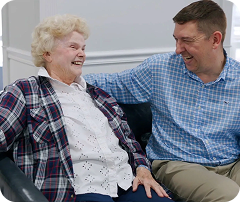
6. Use nonverbal cues. For example, maintain eye contact and smile. This helps put your loved one at ease and will facilitate understanding. And when dementia is very advanced, nonverbal communication may be the only option available.
7. Listen actively. If you don’t understand something your loved one is telling you, politely let them know.
8. Don’t quibble. Your conversations are not likely to go very far if you try to correct every inaccurate statement your loved one makes. It’s okay to let delusions and misstatements go.
9. Have patience. Give your loved one extra time to process what you say. If you ask a question, give a moment to respond. Don’t let frustration get the better of you.
10. Understand there will be good days and bad days. While the general trend of dementia sufferers is a downward decline, people with dementia will have ups and downs just like anyone else.
For more information on The Arbors memory care SafeCare Neighborhood, click here.
Come in for a personalized tour of SafeCare Neighborhood at The Arbors at Islandia
Recent News

Senior Living 101: What You Need to Know About Assisted Care
August 4, 2026
Open House Bohemia September 19
July 31, 2026

The Importance of Memory Care in Assisted Living Facilities
July 31, 2026

Veterans Pension Aid & Attendance Benefit: A Guide to Paying for Assisted Living
June 23, 2026
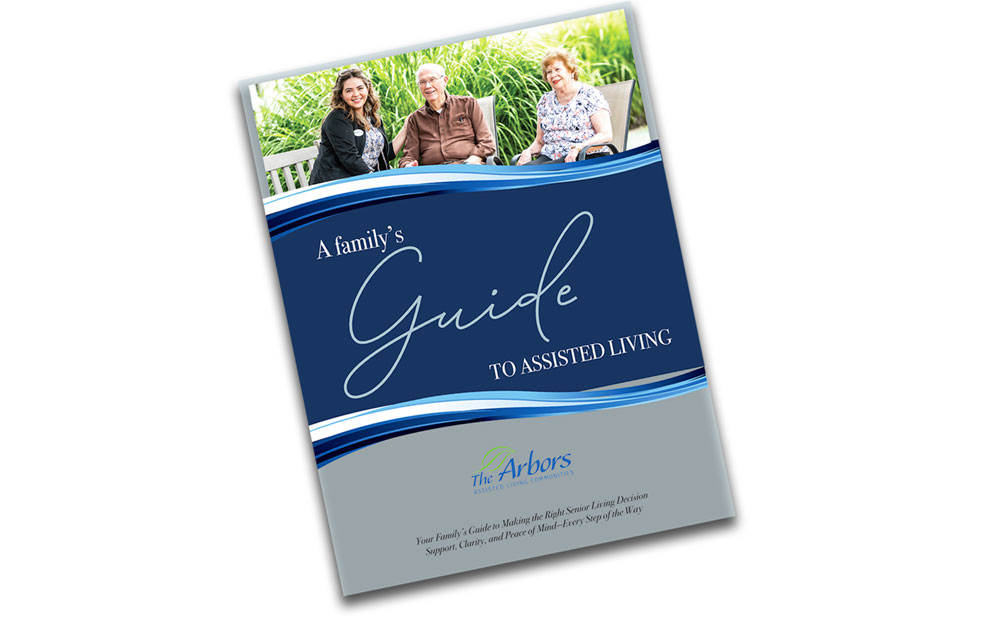
A Family’s Guide to Assisted Living
June 16, 2026

6 Things to Look for in an Assisted Living Community
May 22, 2026

Why Are You Waiting to Consider Assisted Living for Your Parent?
May 1, 2026
GET IN TOUCH
Let’s Talk About Making The Arbors Your Home
We know choosing a community is a big decision, and we’re here to answer your questions and help you explore whether the Arbors is the right fit for you or your loved one.
If you are considering assisted living in Bohemia, NY, we invite you to connect with our team for clear answers and thoughtful guidance tailored to your family’s needs. We take time to understand your situation, provide straightforward information, and help you feel confident about your options every step of the way. For those researching assisted living in Hauppauge, NY, having a direct conversation can often bring clarity and peace of mind as you evaluate what matters most.
(631) 778-7747
REQUEST A VISIT
Schedule a Tour of our Long Island Assisted Living Communities
Ready to see what makes The Arbors Assisted Living special? We’d love to welcome you to one of our five Long Island communities and show you firsthand the vibrant, supportive environment we provide.
Scheduling a visit is one of the best ways to evaluate assisted living in Bohemia, NY. Walking through the community allows you to experience the atmosphere, observe daily routines, and meet the team that supports residents every single day. Families considering assisted living in Hauppauge, NY often find that seeing a community in person helps them feel more confident in their decision and better understand what life at The Arbors truly offers.