(631) 778-7747

The Growing Role of Assisted Living Communities in Dementia and Memory Support
Back to Blog

The Growing Role of Assisted Living Communities in Dementia and Memory Support
November 22, 2026
The global rise of neurodegenerative conditions represents one of the most pressing public health challenges confronting families and modern medical networks. When an aging relative receives a formal diagnosis of progressive cognitive decline, the domestic responsibilities placed upon informal family caregivers can quickly become overwhelming. Sustaining personal hygiene regimens, organizing pharmaceutical schedules, and mitigating the dangers of spatial disorientation demand around-the-clock vigilance that few households can provide without experiencing acute burnout. Consequently, modern residential long-term care campuses have expanded their therapeutic scope, transforming into specialized restorative environments equipped to support intricate cognitive needs. Modern residential centers prioritize dignity and personal autonomy over clinical sterility, providing compassionate settings where vulnerable seniors thrive safely.
This strategic evolution reflects a fundamental philosophical transition away from historical institutionalization toward holistic, resident-centered residential models. While traditional hospital nursing wards historically concentrated on custodial management and restrictive physical oversight, contemporary senior housing balances daily medical assistance with active lifestyle enrichment. Specially designed memory care neighborhoods provide residents with structured security, engaging sensory stimulation, and predictable daily routines that significantly alleviate the anxiety often triggered by cognitive loss. By evaluating the evolving clinical models, customized architectural safeguards, and integrated monitoring technologies found in modern residential living centers, families gain the clarity needed to make informed long-term care choices.
Understanding Progressive Cognitive Pathologies
Dementia functions as an overarching diagnostic term describing a broad spectrum of neurological disorders characterized by a persistent deterioration in memory, reasoning, and functional independence. Alzheimer’s disease accounts for the clear majority of progressive diagnoses, yet seniors frequently confront vascular impairments, frontotemporal degeneration, and Lewy body pathologies that introduce distinct behavioral challenges. In the early stages, cognitive decline often manifests as subtle conversational word-finding pauses, misplaced household items, and mild geographic confusion along familiar neighborhood travel routes. As cerebral damage spreads, individuals experience escalating disorientation, perceptual disturbances, and progressive difficulty completing basic personal care tasks like dressing or meal preparation.
The profound clinical complexity of these neurodegenerative diseases underscores the urgent demand for dedicated professional memory interventions. According to ConsumerAffairs, about 70% of assisted living residents have memory impairments. When unmanaged, chronic cognitive decline creates acute physical hazards, including catastrophic household falls, unmonitored medication overdoses, and unpredictable wandering into dangerous outdoor conditions. Relying on accredited assisted living communities provides families with an indispensable care partnership, guaranteeing that dedicated personnel monitor behavioral shifts and physical wellness indicators twenty-four hours a day. Professional clinical supervision mitigates the severe emotional stress endured by family caregivers, preserving loving relationships while placing daily personal care into the hands of certified specialists.
Tracing the Evolution of Residential Elder Care
The contemporary approach to memory support emerged from a sweeping cultural critique of early twentieth-century custodial institutions. Historic nursing facilities frequently functioned as stark institutional wards characterized by shared hospital rooms, linoleum hallways, and rigid clinical schedules that stripped vulnerable residents of their personal identity. As societal awareness surrounding geriatric well-being deepened throughout the latter half of the century, elder care pioneers developed decentralized residential frameworks that balanced continuous clinical oversight with home-like comfort.
Today, this person-centered care philosophy serves as the foundational cornerstone for high-caliber residential memory support programs. Contemporary memory care neighborhoods are intentionally engineered to minimize perceptual confusion through wide, continuous circular walking corridors, gentle indirect lighting, and clear visual color cues outside every private suite. In direct contrast to restrictive institutional facilities of the past, premier assisted living communities incorporate secured outdoor sensory gardens, raised planting beds, and enclosed courtyard loops that offer residents refreshing sunshine without elopement risks.
Confronting Professional Staffing and Funding Realities
Operating comprehensive memory support residences introduces distinct operational hurdles, primarily centered on recruiting, vetting, and retaining qualified direct-care specialists. Caring for seniors with advanced neurodegenerative conditions demands immense emotional empathy, physical stamina, and specialized de-escalation techniques that standard home aides rarely possess. As demographic shifts increase the population of seniors requiring daily cognitive supervision, the demand for licensed nurses and certified dementia practitioners consistently outpaces the available labor pool. To maintain exemplary standards, modern assisted living communities must invest heavily in ongoing clinical education, competitive compensation packages, and supportive staff wellness programs that reduce professional burnout and promote stable caregiver-resident relationships.
Navigating the financial realities of ongoing residential memory care presents another significant consideration for aging adults and their adult children. Memory-specific housing requires high caregiver-to-resident staffing ratios, secured physical architecture, and specialized programming, resulting in higher monthly expenses than standard independent retirement living. While long-term care insurance policies and regional veterans’ aid programs supply valuable financial cushions for eligible individuals, many families fund memory support primarily through private assets and real estate proceeds.
Integrating Advanced Safety Monitoring Technologies
Technological innovation has fundamentally revolutionized resident safety protocols within modern senior housing, providing discreet supervision without infringing on personal dignity. Subtle motion sensors, smart bed pads, and discreet wearable tracking devices deliver real-time data to care stations, alerting caregivers the instant a resident experiences an unexpected fall or attempts to leave a secure area at night. These digital alerts eliminate the need for jarring hallway alarms or intrusive bedroom checks, preserving a peaceful, restful atmosphere throughout the evening hours. By leveraging continuous digital monitoring, assisted living communities protect vulnerable individuals from physical accidents while maintaining comfortable, homelike environments that foster personal freedom.
Furthermore, advanced interactive communication platforms and telehealth connections bridge geographical distances, keeping residents closely connected with external healthcare specialists and distant relatives. Digital tablets equipped with simplified touchscreens and customized sensory software allow individuals to enjoy virtual reminiscence therapy, listen to personalized music playlists from their youth, and participate in face-to-face video calls with grandchildren. Concurrently, secure telemedicine portals enable on-site nursing staff to consult directly with board-certified geriatric psychiatrists and regional neurologists, facilitating rapid medication reviews without requiring exhausting ambulance transports to hospital clinics.
Navigating the Future of Residential Dementia Support
Looking ahead, the future of specialized senior memory support will be driven by cutting-edge neurological research, biophilic interior architecture, and proactive environmental wellness initiatives. Advanced neuro-architectural designs increasingly feature specialized circadian lighting systems that automatically shift from bright, blue-enriched daylight to soft amber evening tones, reinforcing natural sleep-wake cycles and mitigating nighttime restlessness. Forward-thinking providers are also incorporating multi-sensory stimulation rooms—utilizing therapeutic aromatherapy, tactile fabric boards, and gentle acoustic soundscapes—to soothe distressed residents without relying heavily on sedative pharmaceuticals.
As municipal regulatory frameworks evolve and public awareness of cognitive health deepens, legislative policies will play an increasingly prominent role in standardizing long-term care practices. Consumer advocacy organizations and healthcare alliances continue to campaign for higher mandatory dementia training hours for direct-care aides, along with increased public subsidies for middle-income families seeking memory housing. By actively participating in academic research trials and adopting evidence-based care protocols, modern assisted living communities will remain at the forefront of compassionate elder care. These dynamic campuses serve as vibrant community hubs where vulnerable seniors receive specialized clinical attention, families find reliable guidance, and individuals experiencing memory loss live with sustained security, connection, and profound respect.
Selecting an experienced residential partner is one of the most loving and protective decisions a family can make when supporting a relative navigating progressive cognitive loss. Through intentional architectural layouts, individualized therapy routines, advanced safety monitoring, and compassionate de-escalation methods, accredited assisted living communities deliver the holistic support necessary to preserve personal dignity and maximize daily well-being. Entrusting direct daily care to certified specialists relieves the overwhelming burden of home caregiving, allowing family members to step back from stressful duties and reconnect as loving relatives. When you are ready to explore an empowering, secure, and compassionate memory care home for your loved one, arrange a personal visit with the dedicated team at The Arbors Assisted Living.
Recent News

The Power of Positivity: How Gratitude Can Support Your Health
November 11, 2026
The Future of Assisted Living Services: Trends Families Should Watch
November 6, 2026
Finding a Quality Assisted Living Facility
October 9, 2026
Supporting Memory & Brain Health
October 5, 2026
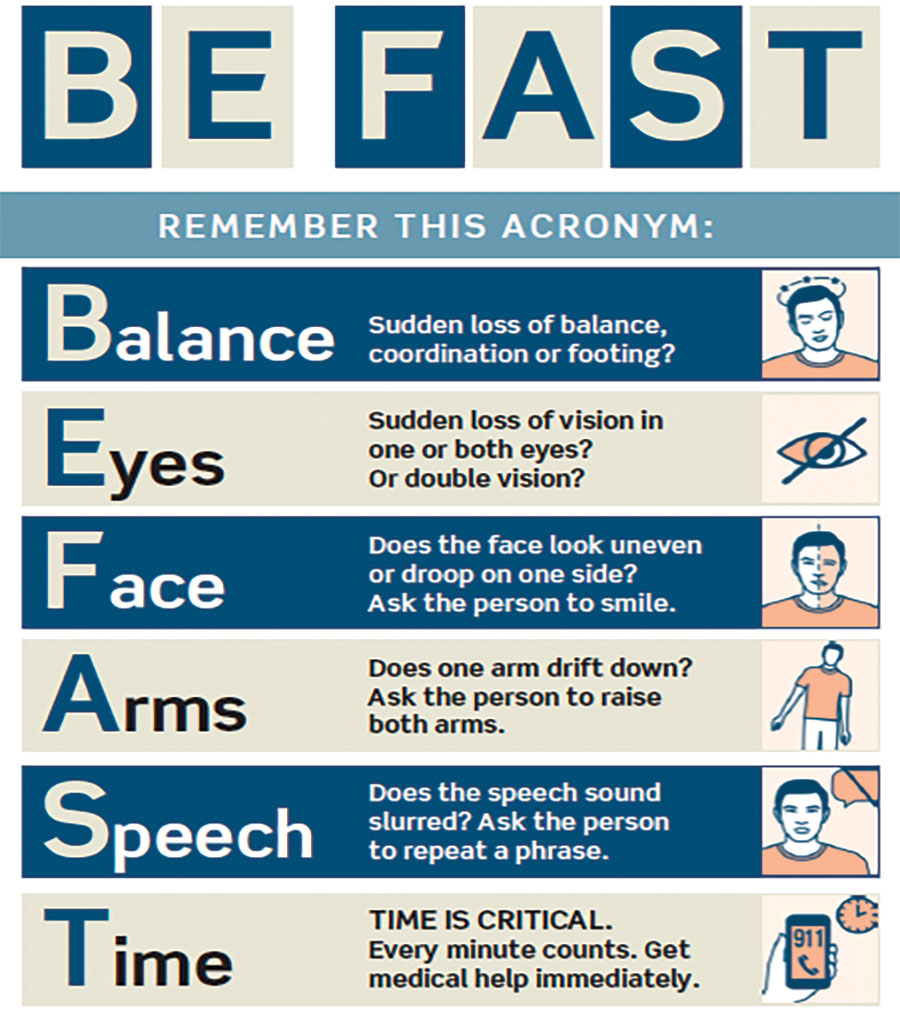
Know the Signs of a Stroke, BE FAST
October 5, 2026
Senior Living 101: What You Need to Know About Assisted Care
August 4, 2026
Open House Bohemia September 19
July 31, 2026
GET IN TOUCH
Let’s Talk About Making The Arbors Your Home
We know choosing a community is a big decision, and we’re here to answer your questions and help you explore whether the Arbors is the right fit for you or your loved one.
If you are considering assisted living in Bohemia, NY, we invite you to connect with our team for clear answers and thoughtful guidance tailored to your family’s needs. We take time to understand your situation, provide straightforward information, and help you feel confident about your options every step of the way. For those researching assisted living in Hauppauge, NY, having a direct conversation can often bring clarity and peace of mind as you evaluate what matters most.
(631) 778-7747
REQUEST A VISIT
Schedule a Tour of our Long Island Assisted Living Communities
Ready to see what makes The Arbors Assisted Living special? We’d love to welcome you to one of our five Long Island communities and show you firsthand the vibrant, supportive environment we provide.
Scheduling a visit is one of the best ways to evaluate assisted living in Bohemia, NY. Walking through the community allows you to experience the atmosphere, observe daily routines, and meet the team that supports residents every single day. Families considering assisted living in Hauppauge, NY often find that seeing a community in person helps them feel more confident in their decision and better understand what life at The Arbors truly offers.