(631) 778-7747

Isolation Can Be Serious for Seniors
Isolation Can Be Serious for Seniors
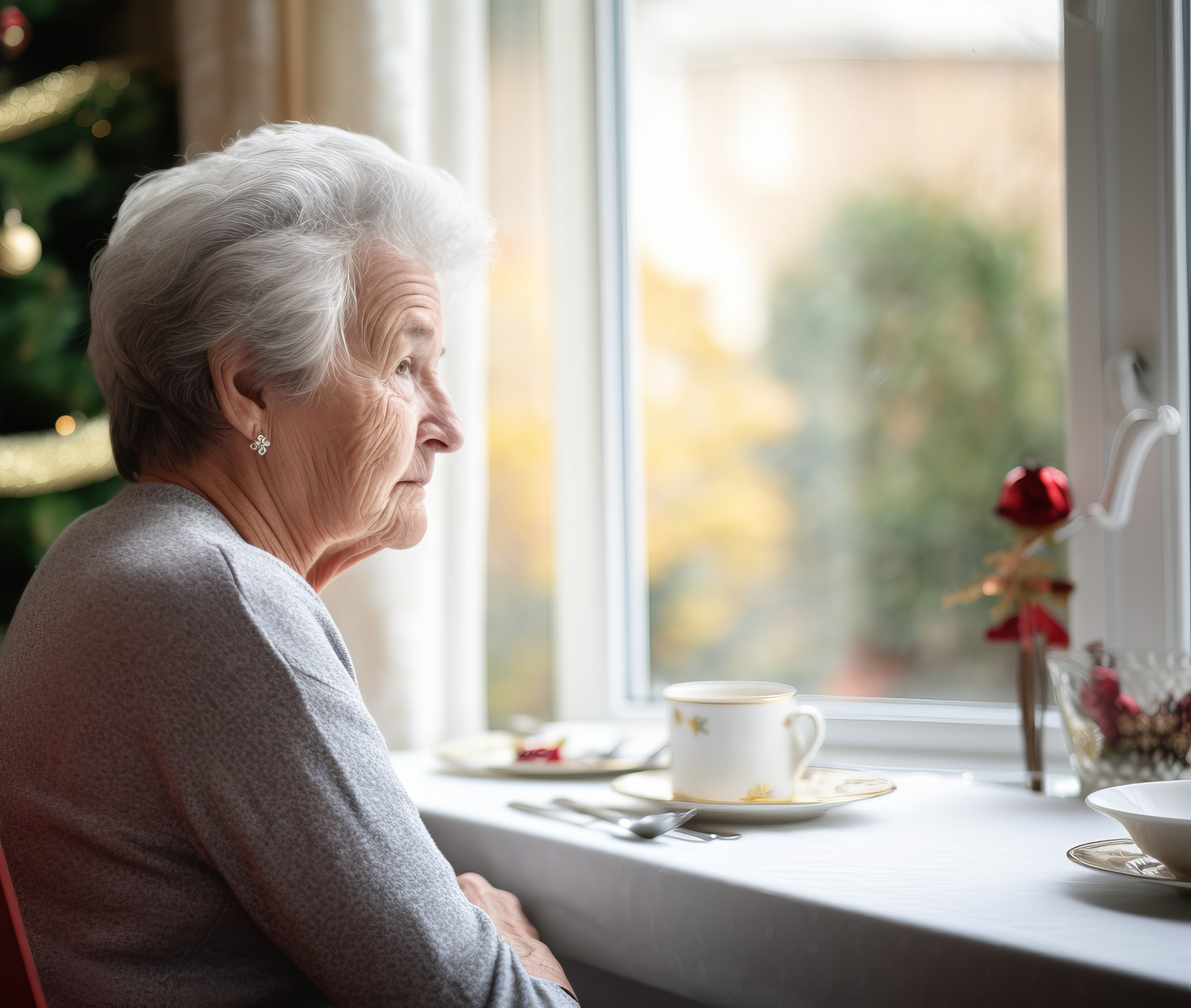
Isolation During Winter Months Can Be Serious for Seniors
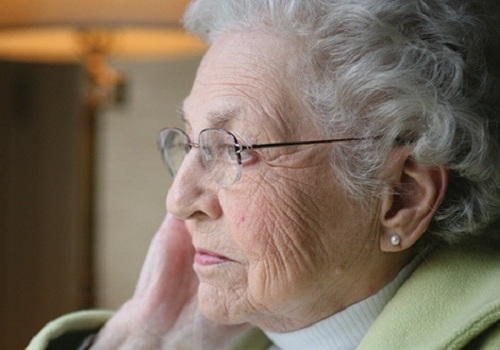
Winter weather makes life unpredictable for all of us. However, when you combine the physical and cognitive challenges so many seniors face, you truly have serious possible health and safety issues. Walking outdoors in winter weather can be treacherous for anyone, especially seniors. They may be afraid to go out of their home or to tackle the winter snow or ice to see their friends or family. Seniors that used to be active and suddenly find themselves unable to go out whenever they wish can get lonely.
Loneliness, as a result of lack of social contact, is a leading cause for poor physical and mental health among the elderly leading to early death. When loneliness sets in it can increase the risk of high blood pressure, over eating, under eating, excessive drinking, depression, heart disease and other debilitating diseases such as arthritis, osteoporosis and glaucoma. People who are lonely are twice as likely to experience a decline in daily activities. Health deterioration in the elderly who live alone and have few visitors is less likely to be noticed and followed up with medical attention.
Risk Factors for Elderly Loneliness
- Women are more likely to experience loneliness
- The older the individual is, the more lonely they may be
- A person living alone
- Poor economic situation
- Poor outlook on health
- Infrequent contact with relatives and friends
- Adult children not living in close proximity
Dealing with Loneliness
Below are some ideas for ways to encourage social interaction between a senior and others.
- Learn programs like Skype to communicate with family and friends
- Keep socially active by joining senior center activities
- Daily exercise can ward off depression
- Keep ongoing communication even if it is just a daily 5 minute call
- Take up a hobby
- Adopt a pet – pet ownership can reduce feelings of isolation
- Ask friends and family to visit or call on a schedule so there is some contact every week
- Go on outings near other people: movies, shopping, restaurants, library, etc.
- Have more family get-togethers
- Reach out to neighbors, congregation members or former coworkers you think might be experiencing the season by themselves. Call them, email them, knock on their doors. A quick check-in can go a long way.
Recent News

Brain Training: Improving Memory
April 1, 2026

The Hidden Health Risk for Seniors Living Alone—Why Nutrition Matters More Than Ever
March 25, 2026
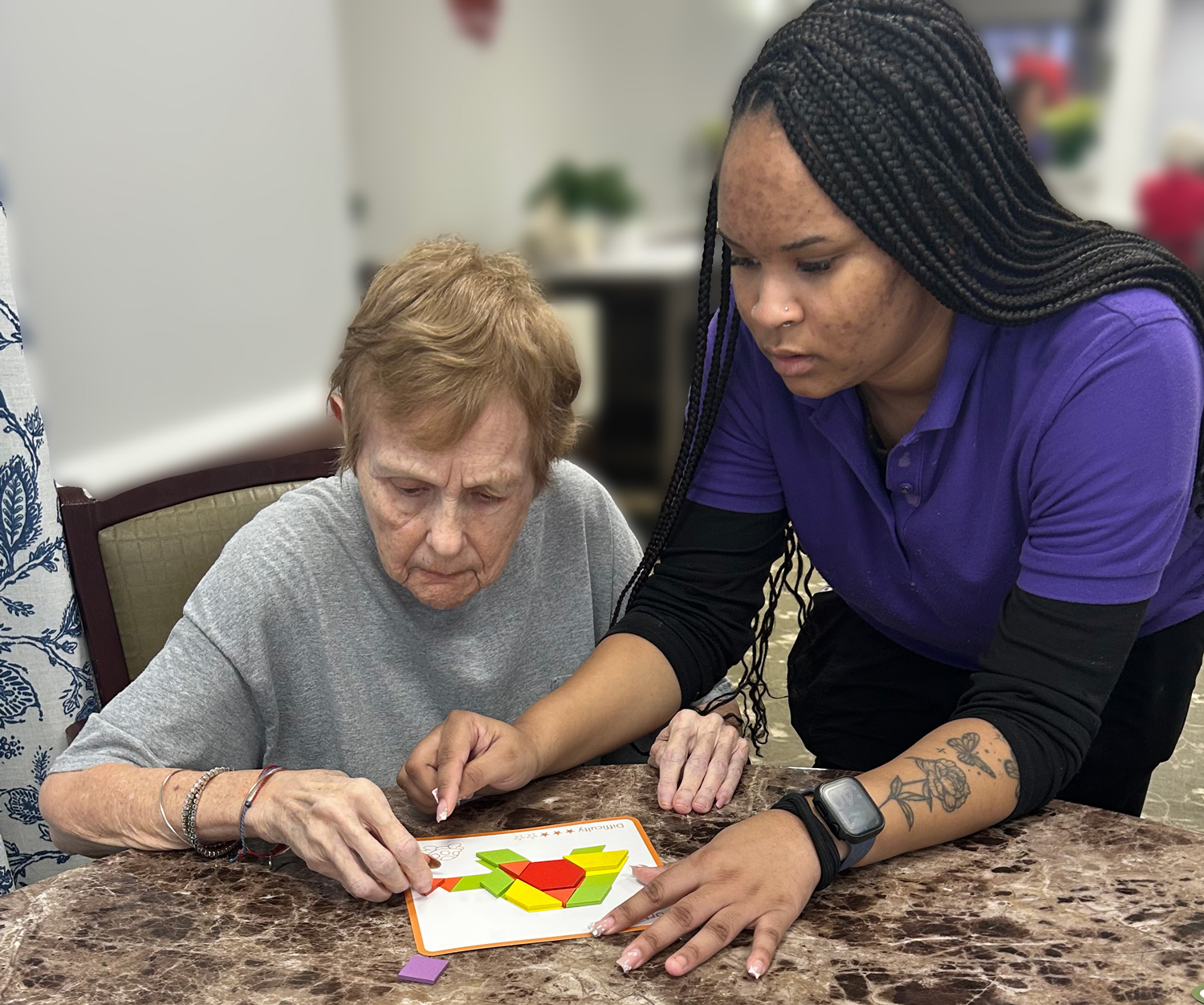
The Power of Touch
February 9, 2026
Winter Readiness for Caregivers: Do You Have a Plan?
January 6, 2026

Important Topics to Discuss With Local Assisted Living Centers
November 10, 2025

When It’s Time: Helping Your Parents Accept the Need for Assisted Living
October 15, 2025

How to Encourage an Aging Parent to Shower When They Refuse
July 2, 2025
GET IN TOUCH
Let’s Talk About Making The Arbors Your Home
We know choosing a community is a big decision, and we’re here to answer your questions and help you explore whether the Arbors is the right fit for you or your loved one.
If you are considering assisted living in Bohemia, NY, we invite you to connect with our team for clear answers and thoughtful guidance tailored to your family’s needs. We take time to understand your situation, provide straightforward information, and help you feel confident about your options every step of the way. For those researching assisted living in Hauppauge, NY, having a direct conversation can often bring clarity and peace of mind as you evaluate what matters most.
(631) 778-7747
REQUEST A VISIT
Schedule a Tour of our Long Island Assisted Living Communities
Ready to see what makes The Arbors Assisted Living special? We’d love to welcome you to one of our five Long Island communities and show you firsthand the vibrant, supportive environment we provide.
Scheduling a visit is one of the best ways to evaluate assisted living in Bohemia, NY. Walking through the community allows you to experience the atmosphere, observe daily routines, and meet the team that supports residents every single day. Families considering assisted living in Hauppauge, NY often find that seeing a community in person helps them feel more confident in their decision and better understand what life at The Arbors truly offers.