(631) 778-7747

How to Encourage an Aging Parent to Shower When They Refuse
Back to Blog

How to Encourage an Aging Parent to Shower When They Refuse
July 2, 2025
Caring for an aging parent comes with many challenges, and one of the most emotionally and practically difficult is personal hygiene—specifically, convincing a parent to shower when they are resistant. If you’re facing this issue, know you’re not alone. It’s a common concern for many caregivers, and it often requires a combination of empathy, strategy, and patience.
Here’s a guide to help you navigate this sensitive topic with compassion and effectiveness.
Why Seniors May Resist Bathing
Understanding why your parent is refusing to bathe is the first step. Some common reasons include:
• FEAR OF FALLING: Bathrooms can be slippery, and your parent may have a genuine fear of injury.
• DEPRESSION OR APATHY: Older adults dealing with depression may lose interest in hygiene.
• MODESTY OR EMBARRASSMENT: The idea of someone helping them bathe can feel humiliating.
• COLD SENSITIVITY: Seniors often feel colder and may dread the sensation of being wet or exposed.
• COGNITIVE DECLINE: Dementia or Alzheimer’s can cause confusion, forgetfulness, or even paranoia about bathing:
• Confusion or memory loss – They may not understand what a shower is or why it’s needed.
• Fear or anxiety – Bathrooms can be noisy, cold, or overwhelming, especially with running water or being undressed.
• Loss of privacy and dignity – Being helped to bathe can feel embarrassing or infantilizing.
• Sensory issues – The feel or sound of water can be overstimulating.
• Time distortion – They may believe they already bathed today — even if it’s been a week.
Start with Compassionate Conversation
Don’t begin with confrontation. Instead, express concern and care:
“I’ve noticed you haven’t been showering lately. I want to make sure you’re comfortable and healthy. Is there something that’s making bathing hard or unpleasant for you?”
Listen without judgment. You’re trying to uncover the root issue, not force a solution right away.
Make It About Comfort, Not Cleanliness
Rather than emphasizing that they’re dirty (which can feel shaming), frame showering as something that will help them feel better:
“A warm shower can really help ease your back pain.”
“Let’s get you refreshed—you’ll sleep even better tonight.”
Reduce the Fear Factor
If safety is the concern, adapt the environment:
• Install grab bars, non-slip mats, and a shower chair.
• Use a handheld shower head for more control.
• Ensure the bathroom is warm and well-lit.
Sometimes just knowing there are supports in place can ease anxiety about bathing.
Maintain Dignity and Modesty
Protecting your loved one’s sense of dignity can reduce resistance:
• Drape a towel over their shoulders or lap during the process.
• Use a handheld showerhead so they can stay seated and partially covered.
• Let them do as much as they can independently.
Always narrate what you’re doing, even if they don’t respond.
Adjust the Routine
Daily showers may not be necessary. For older adults, two to three times a week may suffice, with regular sponge baths in between. Offer choices:
“Would you prefer a bath or a shower today?”
“Do you want to shower in the morning or after lunch?”
Giving a sense of control can reduce resistance.
Use Alternatives When Necessary
If a full shower isn’t possible, keep them clean and comfortable with:
• Warm sponge baths
• No-rinse body wipes
• Dry shampoo
• Daily changes of clothes and undergarments
It doesn’t have to be all or nothing — meeting hygiene needs creatively is still a win.
Involve a Trusted Third Party
Sometimes, aging parents are more receptive to advice from someone other than their child. A nurse, caregiver, or doctor can frame the need for hygiene in medical terms:
“Your doctor recommends regular bathing to avoid infections.”
“The home nurse will come tomorrow—let’s help you feel fresh.”
Normalize the Help
It can be embarrassing for a parent to have their child assist with bathing. Consider hiring a professional caregiver or home health aide trained in bathing assistance. If you must help, use towels or robes to keep them covered and maintain as much dignity as possible.
Be Patient and Flexible
Don’t force the issue unless there’s an immediate health concern. Resistance may soften with time and trust. Celebrate small wins—like a quick sponge bath or simply washing their hair. Respect their pace.
Use Scent and Touch to Your Advantage
Appeal to the senses—warm towels, favorite soaps, and soothing lotions can turn a shower into a spa-like experience. You can say:
“Let’s try that lavender body wash you love—it’ll help you relax before bed.”
Watch for Underlying Issues
If resistance continues, speak to a doctor. It could be a sign of:
• Depression
• Dementia
• Physical pain
• Medication side effects
• Getting to the root cause may require a team approach with healthcare providers.
Getting an aging parent to shower isn’t just about hygiene—it’s about dignity, autonomy, and trust. It takes time to find the right approach, and what works one week may not work the next. Stay calm, compassionate, and open-minded. Your presence, patience, and creativity can make all the difference.
And above all, be kind to yourself — you’re doing one of the hardest jobs with love and courage. You’re doing important work—and you don’t have to do it alone.
If you’re interested in learning more, or visiting The Arbors Assisted Living community, schedule a tour by contacting one of our five convenient locations:
Recent News

Finding a Quality Assisted Living Facility
October 9, 2026

Supporting Memory & Brain Health
October 5, 2026
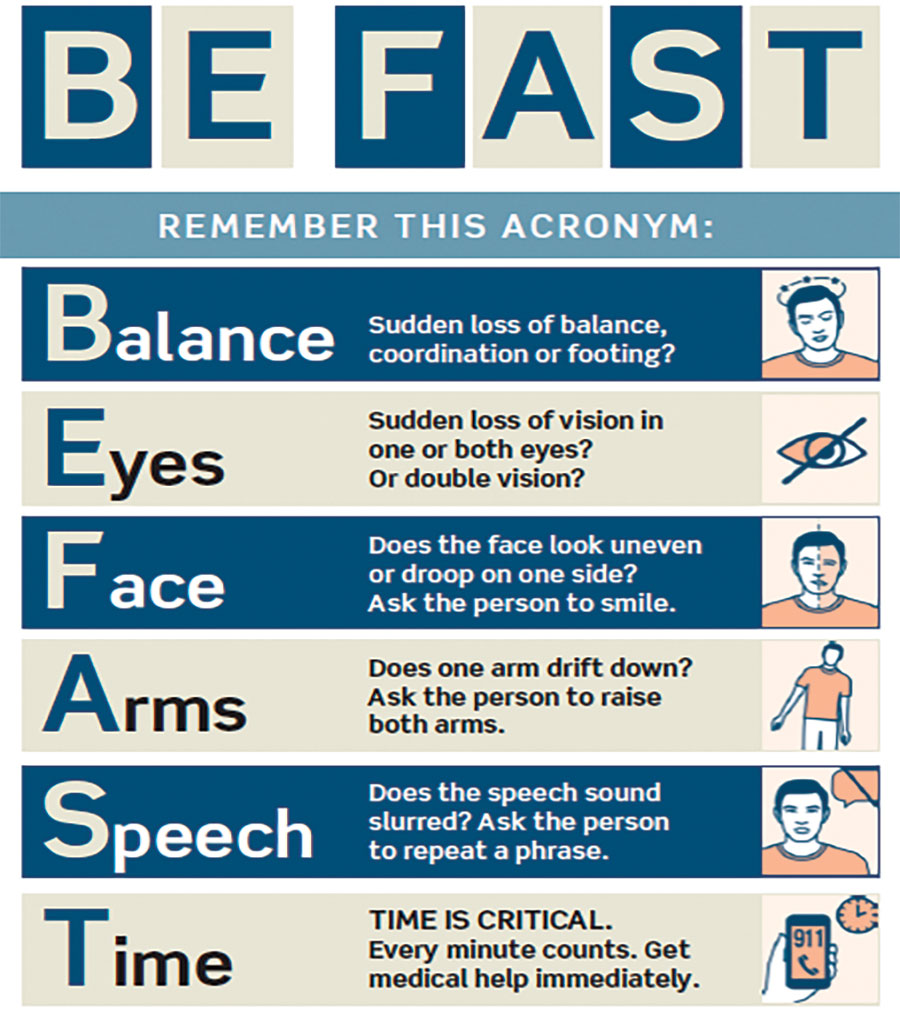
Know the Signs of a Stroke, BE FAST
October 5, 2026

Senior Living 101: What You Need to Know About Assisted Care
August 4, 2026
Open House Bohemia September 19
July 31, 2026

The Importance of Memory Care in Assisted Living Facilities
July 31, 2026

Veterans Pension Aid & Attendance Benefit: A Guide to Paying for Assisted Living
June 23, 2026
GET IN TOUCH
Let’s Talk About Making The Arbors Your Home
We know choosing a community is a big decision, and we’re here to answer your questions and help you explore whether the Arbors is the right fit for you or your loved one.
If you are considering assisted living in Bohemia, NY, we invite you to connect with our team for clear answers and thoughtful guidance tailored to your family’s needs. We take time to understand your situation, provide straightforward information, and help you feel confident about your options every step of the way. For those researching assisted living in Hauppauge, NY, having a direct conversation can often bring clarity and peace of mind as you evaluate what matters most.
(631) 778-7747
REQUEST A VISIT
Schedule a Tour of our Long Island Assisted Living Communities
Ready to see what makes The Arbors Assisted Living special? We’d love to welcome you to one of our five Long Island communities and show you firsthand the vibrant, supportive environment we provide.
Scheduling a visit is one of the best ways to evaluate assisted living in Bohemia, NY. Walking through the community allows you to experience the atmosphere, observe daily routines, and meet the team that supports residents every single day. Families considering assisted living in Hauppauge, NY often find that seeing a community in person helps them feel more confident in their decision and better understand what life at The Arbors truly offers.