(631) 778-7747

When Is It Time to Move to Assisted Living?

When Is It Time to Move to Assisted Living?
Determining when to move to assisted living is a highly personal question. The move to assisted living is often triggered when people begin feeling overwhelmed with tasks that are necessary for independent living, such as grocery shopping, laundry, cleaning the home and cooking meals.
For the elderly the need for long-term care is probably one of the most catastrophic unexpected events that could happen. With the need for long-term care the older person:
- Loses independence
- Has experienced a loss of good health
- Uses up remaining assets and income
No wonder many elderly care recipients withdraw, become angry and suffer from severe depression.
Some people strongly resist the notion of moving to an assisted living community, even though it might be the very best thing for everyone involved. But it’s a complex concept that many people need some time to adjust to.
That said, there are some clear signals that indicate it may be time to move from an independent living situation into an assisted living community, including:
- A worsening of medical conditions, an increased number of falls and overall increased frailty.
- Difficulty managing domestic finances or other money problems.
- Difficulty keeping the house clean and a decline in ability to care for oneself.
- Depression or social isolation.
One classic example is a senior who recently lost the spouse responsible for taking care of the housework, meals and shopping. The surviving spouse may struggle to cook or clean adequately while also being very lonely after the death of a partner. This can be a particularly difficult prospect given that grief may be added on top of all the other mixed emotions of leaving the family home for an unfamiliar place full of strangers.
Another common situation is when a senior develops multiple medical problems. As these chronic conditions progress, the senior often needs more help day-to-day.
A third common situation is one in which a senior begins to exhibit signs of memory loss, which may be a symptom of Alzheimer’s disease or dementia. Caregiver burnout is also very high among those who look after people with cognitive impairment, so seeking respite by using an assisted living situation may help the other spouse or primary caregiver enjoy a better quality of life too.
Another issue that often crops up is guilt on the part of caregivers who’ve found they simply can’t handle the burden of supporting an aging loved one any longer. Feelings of guilt may be exacerbated if the decision to move to assisted living is made last minute, in a rush or emergency situation.
Many negative feelings and difficult situations can be alleviated by starting the conversation early and talking often about what’s coming down the road for aging loved ones. Starting the conversation before a medical or emotional crisis transpires allows families to take time.
Don’t wait for a crisis to consider moving to senior living.
Recent News

Finding a Quality Assisted Living Facility
October 9, 2026

Supporting Memory & Brain Health
October 5, 2026
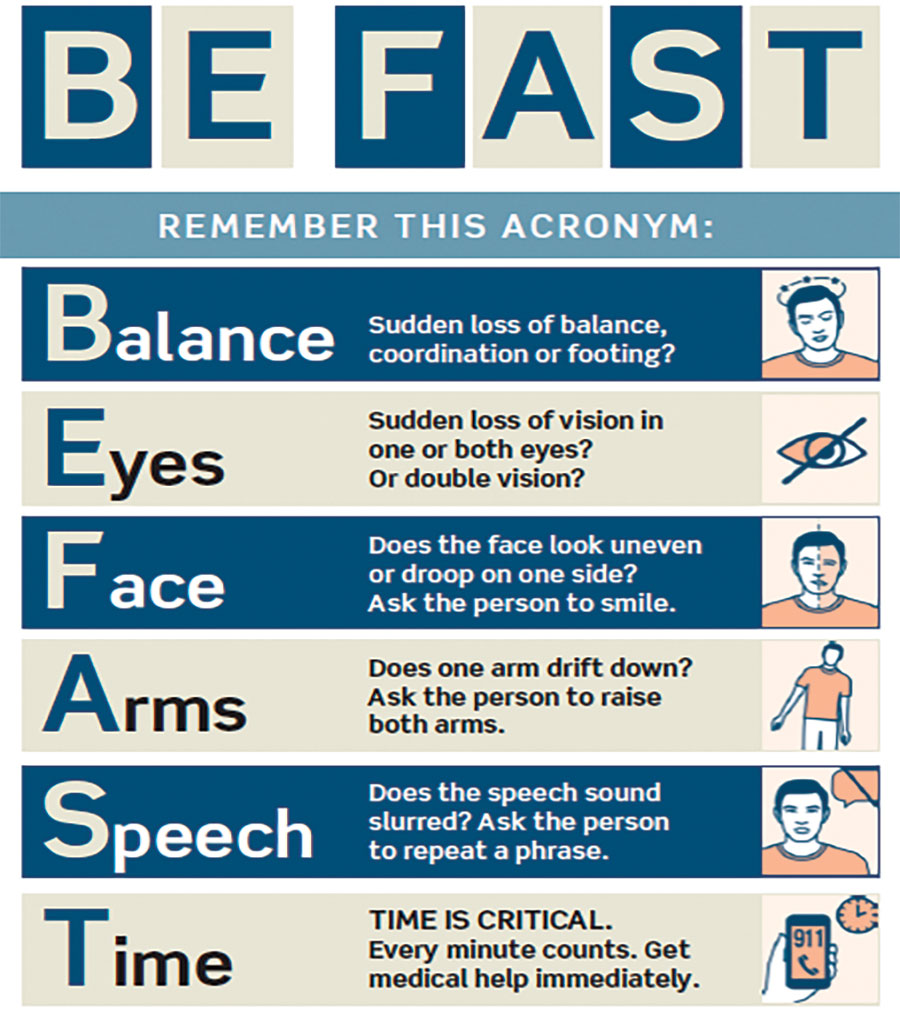
Know the Signs of a Stroke, BE FAST
October 5, 2026

Senior Living 101: What You Need to Know About Assisted Care
August 4, 2026
Open House Bohemia September 19
July 31, 2026

The Importance of Memory Care in Assisted Living Facilities
July 31, 2026

Veterans Pension Aid & Attendance Benefit: A Guide to Paying for Assisted Living
June 23, 2026
GET IN TOUCH
Let’s Talk About Making The Arbors Your Home
We know choosing a community is a big decision, and we’re here to answer your questions and help you explore whether the Arbors is the right fit for you or your loved one.
If you are considering assisted living in Bohemia, NY, we invite you to connect with our team for clear answers and thoughtful guidance tailored to your family’s needs. We take time to understand your situation, provide straightforward information, and help you feel confident about your options every step of the way. For those researching assisted living in Hauppauge, NY, having a direct conversation can often bring clarity and peace of mind as you evaluate what matters most.
(631) 778-7747
REQUEST A VISIT
Schedule a Tour of our Long Island Assisted Living Communities
Ready to see what makes The Arbors Assisted Living special? We’d love to welcome you to one of our five Long Island communities and show you firsthand the vibrant, supportive environment we provide.
Scheduling a visit is one of the best ways to evaluate assisted living in Bohemia, NY. Walking through the community allows you to experience the atmosphere, observe daily routines, and meet the team that supports residents every single day. Families considering assisted living in Hauppauge, NY often find that seeing a community in person helps them feel more confident in their decision and better understand what life at The Arbors truly offers.