(631) 778-7747

Winter Weather Checklists
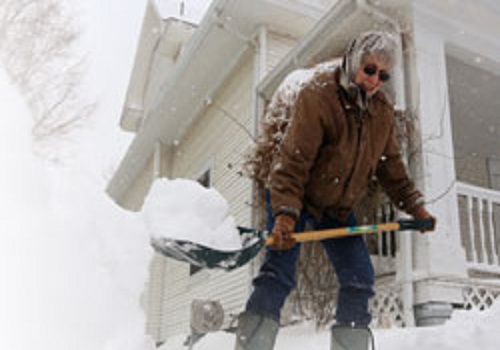
Winter Weather Checklists
Stock up on emergency supplies for communication, food, safety, heating, and vehicles in case a storm hits.
Communication Checklist
Make sure you have at least one of the following in case there is a power failure:
- Cell phone, portable charger, and extra batteries.
- Battery-powered radio, with extra batteries, for listening to local emergency instructions
Heating Checklist
- Turning on the stove for heat is not safe; have at least one of the following heat sources in case the power goes out:
- Extra blankets, sleeping bags, and warm winter coats
- Fireplace with plenty of dry firewood or a gas log fireplace
- Portable space heaters or kerosene heaters
- Check with your local fire department to make sure that kerosene heaters are legal in your area.
- Use electric space heaters with automatic shut-off switches and non-glowing elements.
- Never place a space heater on top of furniture or near water.
- Never leave children unattended near a space heater.
- Keep heat sources at least 3 feet away from furniture and drapes.
- Have the following safety equipment:
- Chemical fire extinguisher
- Smoke alarm in working order (Check prior to winter storm season and change batteries, if needed.)
- Carbon monoxide detector (Check prior to winter storm season and change batteries, if needed.)
- Never use an electric generator indoors, inside the garage, or near the air intake of your home because of the risk of carbon monoxide poisoning.
- Do not use the generator or appliances if they are wet.
- Do not store gasoline indoors where the fumes could ignite.
- Use individual heavy-duty, outdoor-rated cords to plug in other appliances.
Cooking and Lighting Checklist
- Use battery-powered flashlights or lanterns.
- Never use charcoal grills or portable gas camp stoves indoors. The fumes are deadly.
- Avoid using candles as these can lead to house fires.
- If you do use candles, never leave lit candles alone.
Food and Safety Checklist
- Have a week’s worth of food and safety supplies. If you live far from other people, have more supplies on hand.
- Make sure you have the following supplies:
- Drinking water
- Canned/no-cook food (bread, crackers, dried fruits)
- Non-electric can opener
- Baby food and formula (if baby in the household)
- Prescription drugs and other medicine
- First-aid kit
- Rock-salt to melt ice on walkways
- Supply of cat litter or bag of sand to add traction on walkways
- Flashlight and extra batteries
- Battery-powered lamps or lanterns (To prevent the risk of fire, avoid using candles.)
Water Checklist
- Keep a water supply. Extreme cold can cause water pipes in your home to freeze and sometimes break.
- Leave all water taps slightly open so they drip continuously.
- Keep the indoor temperature warm.
- Allow more heated air near pipes. Open kitchen cabinet doors under the kitchen sink.
- If your pipes do freeze, do not thaw them with a torch. Thaw the pipes slowly with warm air from an electric hair dryer.
- If you cannot thaw your pipes, or if the pipes have broken open, use bottled water or get water from a neighbor’s home.
- Fill the bathtub or have bottled water on hand.
- In an emergency, if no other water is available, snow can be melted for water. Bringing water to a rolling boil for one minute will kill most germs but won’t get rid of chemicals sometimes found in snow.
Car and Emergency Checklist
- Minimize travel, but if travel is necessary, keep the following in your vehicle:
- Cell phone, portable charger, and extra batteries
- Shovel
- Windshield scraper
- Battery-powered radio with extra batteries
- Flashlight with extra batteries
- Water
- Snack food
- Extra hats, coats, and mittens
- Blankets
- Chains or rope
- Tire chains
- Canned compressed air with sealant for emergency tire repair
- Road salt and sand
- Booster cables
- Emergency flares
- Bright colored flag or help signs
- First aid kit
- Tool kit
- Road maps
- Compass
- Waterproof matches and a can to melt snow for water
- Paper towels
Recent News

Senior Living 101: What You Need to Know About Assisted Care
August 4, 2026
Open House Bohemia September 19
July 31, 2026

The Importance of Memory Care in Assisted Living Facilities
July 31, 2026

Veterans Pension Aid & Attendance Benefit: A Guide to Paying for Assisted Living
June 23, 2026
A Family’s Guide to Assisted Living
June 16, 2026
6 Things to Look for in an Assisted Living Community
May 22, 2026

Why Are You Waiting to Consider Assisted Living for Your Parent?
May 1, 2026
GET IN TOUCH
Let’s Talk About Making The Arbors Your Home
We know choosing a community is a big decision, and we’re here to answer your questions and help you explore whether the Arbors is the right fit for you or your loved one.
If you are considering assisted living in Bohemia, NY, we invite you to connect with our team for clear answers and thoughtful guidance tailored to your family’s needs. We take time to understand your situation, provide straightforward information, and help you feel confident about your options every step of the way. For those researching assisted living in Hauppauge, NY, having a direct conversation can often bring clarity and peace of mind as you evaluate what matters most.
(631) 778-7747
REQUEST A VISIT
Schedule a Tour of our Long Island Assisted Living Communities
Ready to see what makes The Arbors Assisted Living special? We’d love to welcome you to one of our five Long Island communities and show you firsthand the vibrant, supportive environment we provide.
Scheduling a visit is one of the best ways to evaluate assisted living in Bohemia, NY. Walking through the community allows you to experience the atmosphere, observe daily routines, and meet the team that supports residents every single day. Families considering assisted living in Hauppauge, NY often find that seeing a community in person helps them feel more confident in their decision and better understand what life at The Arbors truly offers.